10 Precious Animal Species on the Verge of Extinction

05/21/08  Print This Post Print This Post    50 Comments   Popular   Written by Mary Pfaffko
  • Stumble It

Feature photo by pingnews Photo by kenbondy

Below you’ll find ten of the world’s most precious endangered species and some interesting facts highlighting the urgency with which we should protect them.

The U.S. Fish and Wildlife Service lists 1237 endangered species. The following ten species are key because of their roles in the ecosystem and and dangerously low numbers.

Mountain Gorilla
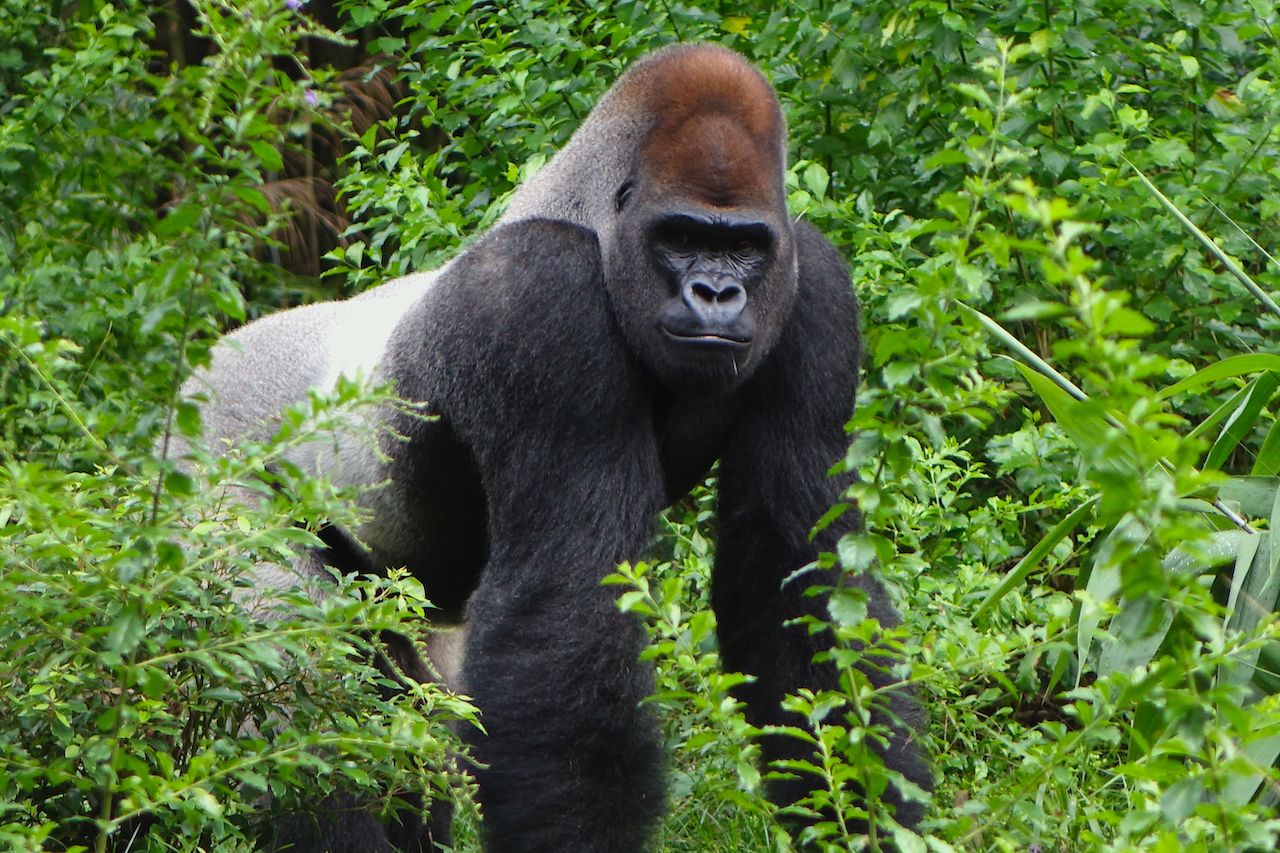
Photo by mrflip

Africa’s mountain gorilla (Gorilla beringei beringei) is the largest and most powerful primate, but is very peaceful and sociable,
despite their portrayal in movies such as King Kong and Tarzan.

Gorillas are our closest relative after chimpanzees with an almost 98 percent DNA match. The remaining 600 individuals face habitat loss through deforestation, poaching, circus use, effects of political unrest, and human diseases such as measles.

Florida Panther

Once prevalent throughout the southeastern U.S., the Florida panther (Puma concolor coryi) is now restricted to south Florida. Cities and farms dump pollutants into waterways that feed the Everglades, an ecosystem that occurs nowhere else on earth. To boost numbers and prevent inbreeding among the remaining 50 individuals, humans bred the Florida panther with the Texas panther resulting in a genetically different hybrid.

Giant Panda

Photo by tanukigirl

China’s giant panda (Ailuropoda melanoleuca) habitat is situated at the top of the Yangtze Basin, one of the world’s most critical regions for biodiversity conservation. Because of their notoriously low sex drives, captive pandas are shown pornographic videos to encourage mating. After more than a century of debate, recent DNA analysis concludes that the giant panda is more closely related to bears than to raccoons.

Beluga Sturgeon

The ancient beluga sturgeon (Huso huso), while persisting for over 200 million years, may not outlast current threats. Its caviar is one of the world’s three most expensive foods, selling for over $100 dollars per ounce and encouraging illegal trade and poaching.

Dams along the Volga River block migration from their breeding ground to the Caspian Sea. Historically, Belugas lived for 75 years, weighed more than 2 tons and grew to 28 feet in length. Now, the typical adult is younger than 18 years old and weighs only 77 pounds.

Blue Whale

Photo by scotts101

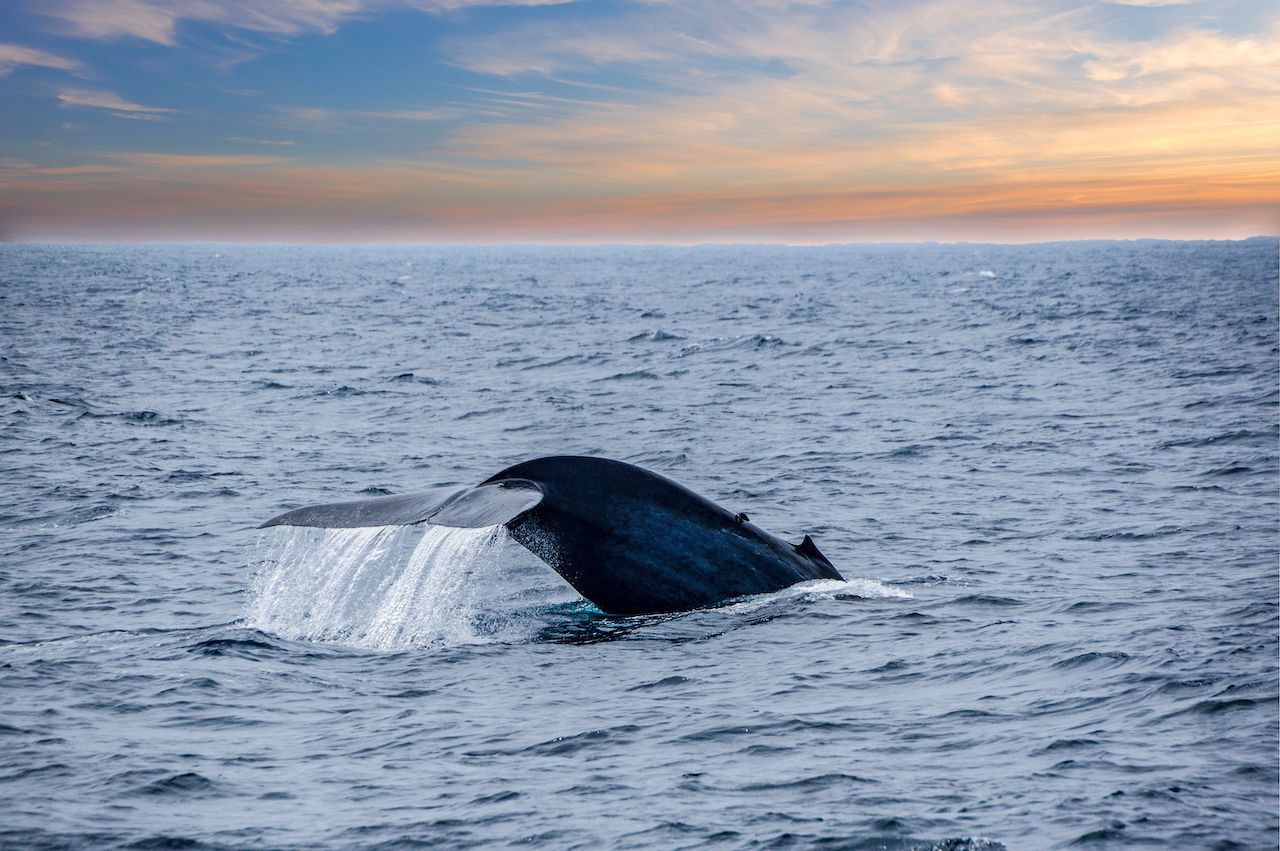
Antarctica’s blue whale (Balaenoptera musculus) is the largest creature on earth. The largest terrestrial animal, the African elephant, could stand on the whale’s tongue. UV radiation through a hole in the ozone layer depletes its food source, zooplankton. The blue whale is the loudest animal on earth, using low-frequency rumbles to communicate across hundreds of miles of ocean. Click here to listen to its call.

Blue Poison Dart Frog

Photo by upton

The blue poison dart frog (Dendrobates azureus) is one of the most brilliantly colored animals on the planet. Humans harness the poison as a potential ingredient in painkillers and the indigenous Chocó peoples of Columbia dab it on blowgun darts for hunting. The tiny frogs inhabit South American rainforest, which is disappearing at a rate of four football fields per minute.

Southern Cassowary

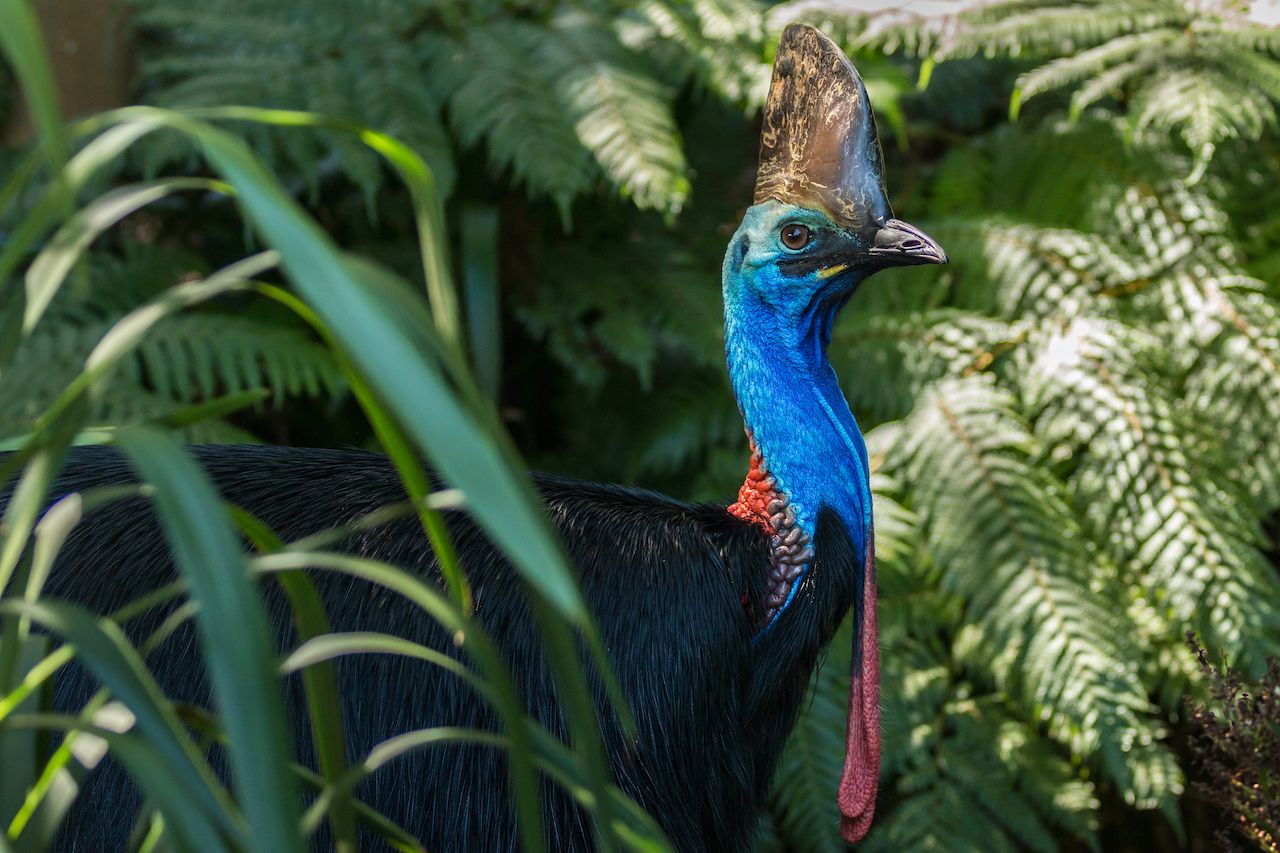
The ancient southern cassowary (Casuarius casuarius) is a helmeted flightless bird in Australia’s Wet Tropics. As voracious fruit-eaters, they spread seeds, regenerating the rainforest in the face of deforestation. Even though the large birds weigh 130 pounds, they fall prey to non-native feral pigs, which were also responsible for the extinction of the dodo.

Loggerhead Turtle

The loggerhead turtle’s (Caretta caretta) habitat extends through many countries, requiring international cooperation and treaties. Despite requirements to install turtle excluder devices on fishing gear in some countries, turtles continue to die as bycatch in countries without such measures. Pacific loggerheads migrate over 7,500 miles from their nesting habitat in Japan to their foraging habitat off the coast of Mexico.

Polar Bear

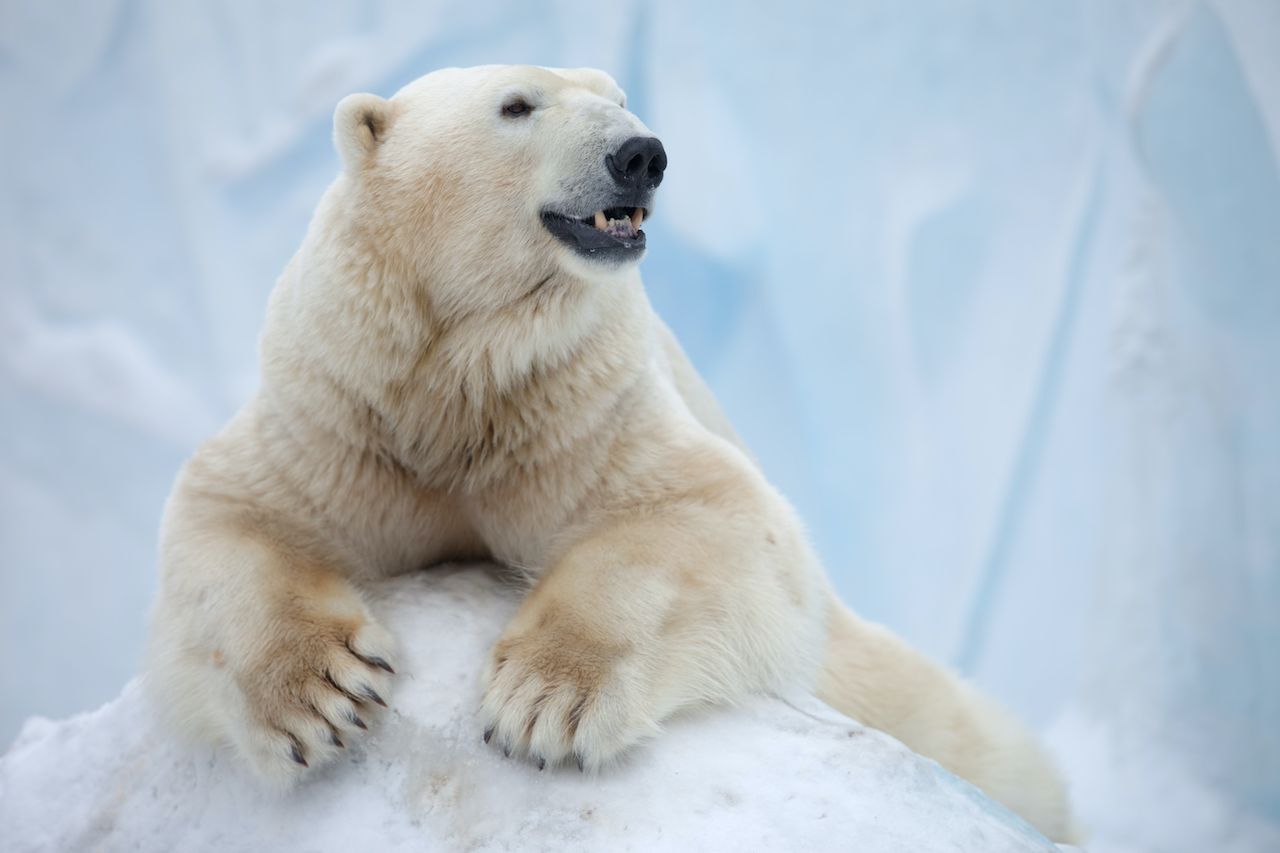
The world’s largest terrestrial carnivore, Arctic polar bears (Ursus maritimus) are threatened by global warming. They must fast longer in the summer due to melting sea ice. In 2007, the U.S. Fish and Wildlife Service proposed to list the polar bear as a threatened species under the Endangered Species Act. As of May 14th 2008, the Polar Bear was listed on the ESA. The decision was crucial as 29.7 million acres of the Chukchi Sea, which supports polar bear populations, are set to be opened to oil and gas activities.

Elkhorn and Staghorn Coral

Elkhorn and staghorn coral (Acropora palmata and A. cervicornis) are the first species to be recognized as threatened by global warming. The new status provides leverage in future fights against threats to other habitats from global warming. Coral reefs provide habitat for thousands of species of fish.

What can be done?

Through pollution, habitat degradation / depletion, and worldwide environmental impact, humans are largely responsible for the extinction and endangerment of species. Thus it is humans who can help preserve animals and habitat by changing behaviors.

Ride your bike. Join your local Audubon chapter. Create backyard wildlife habitat. Write to your representatives. When corporate behavior cannot be changed by legislation, use your consumer power to boycott. The best approach to conserving wildlife is to conserve habitat. Keeping “common species common” prevents wildlife from becoming too rare and costly to restore.


  • Stumble It

About the Author

Mary Pfaffko

Mary Pfaffko is a Wildlife Biologist and President of the DC Audubon Society. Never calling any one place home, she has lived in Florida, DC, Europe, and the Appalachian Trail. She enjoys traveling solo and is moving alone to Australia next year.

50 Comments... join the discussion!

  • N. Chrystine Olson replied on May 21, 2008

    Great article Mary. I'll add a couple species to the list: the Northern White rhino in the Congo is down to two individuals, the impacts you've mentioned again the culprit in it's demise( poaching, habitat loss, civil wars in their home). Here in the American West, sage grouse numbers are desperately low due to loss of habitat, primarily strutting grounds, called leks, decimated by mining impacts and brooding grounds competing with grazing activities. Grassroot involvement is a great way to help save endangered species in your home range or volunteering for conservation organizations when your vagabond tendencies take you abroad.

    Natural disasters, like the recent earthquake in China, can be devastating for animals on the brink of extinction. I was glad to see this awareness put forth in some of the news articles the past week referencing this problem with the panda.

    (Report comment)

    ↵ Reply
  • N. Chrystine Olson replied on May 21, 2008

    Great article Mary. I’ll add a couple species to the list: the Northern White rhino in the Congo is down to two individuals, the impacts you’ve mentioned again the culprit in it’s demise( poaching, habitat loss, civil wars in their home). Here in the American West, sage grouse numbers are desperately low due to loss of habitat, primarily strutting grounds, called leks, decimated by mining impacts and brooding grounds competing with grazing activities. Grassroot involvement is a great way to help save endangered species in your home range or volunteering for conservation organizations when your vagabond tendencies take you abroad.

    Natural disasters, like the recent earthquake in China, can be devastating for animals on the brink of extinction. I was glad to see this awareness put forth in some of the news articles the past week referencing this problem with the panda.

    (Report comment)

    ↵ Reply
  • Jenny Williams replied on May 23, 2008

    Mary, many thanks for highlighting the plight of these and other critically endangered species. I've written several pieces on the struggle of the mountain gorilla in DR Congo for Ethical Traveler (http://www.ethicaltraveler.org). Poaching has become a serious problem in the Congo, while tourist-carried diseases threaten gorillas in Rwanda and Uganda. It's frightening how precarious an existence they live, and how little is being done to stave off extinction. More articles like yours will help raise awareness and hopefully encourage community action.

    (Report comment)

    ↵ Reply
  • Tim Patterson replied on May 23, 2008

    Excellent article. I really like the whale photo at the top.

    -Tim

    (Report comment)

    ↵ Reply
  • Jenny Williams replied on May 23, 2008

    Mary, many thanks for highlighting the plight of these and other critically endangered species. I’ve written several pieces on the struggle of the mountain gorilla in DR Congo for Ethical Traveler (www.ethicaltraveler.org). Poaching has become a serious problem in the Congo, while tourist-carried diseases threaten gorillas in Rwanda and Uganda. It’s frightening how precarious an existence they live, and how little is being done to stave off extinction. More articles like yours will help raise awareness and hopefully encourage community action.

    (Report comment)

    ↵ Reply
  • Tim Patterson replied on May 23, 2008

    Excellent article. I really like the whale photo at the top.

    -Tim

    (Report comment)

    ↵ Reply
  • Eva replied on May 27, 2008

    Just a quick note about the polar bears - I think it's important, from what I've read anyhow, that they not be treated as one uniform population. There are various regional populations, and some are in better shape than others. 15 000 of the remaining 25 000 bears are in Nunavut, Canada's semi-self-governing Inuit territory, and up there they are extremely upset about the US ESA designation as it threatens to decimate their economy and their traditional way of life. Inuit elders and hunters claim that in Nunavut, the bear population is actually on the rise.

    It always starts to get muddy and tricky when environmental protections run headlong into indigenous cultures - which most folks would agree are also worthy of protection.

    (Report comment)

    ↵ Reply
  • Eva replied on May 27, 2008

    Just a quick note about the polar bears - I think it’s important, from what I’ve read anyhow, that they not be treated as one uniform population. There are various regional populations, and some are in better shape than others. 15 000 of the remaining 25 000 bears are in Nunavut, Canada’s semi-self-governing Inuit territory, and up there they are extremely upset about the US ESA designation as it threatens to decimate their economy and their traditional way of life. Inuit elders and hunters claim that in Nunavut, the bear population is actually on the rise.

    It always starts to get muddy and tricky when environmental protections run headlong into indigenous cultures - which most folks would agree are also worthy of protection.

    (Report comment)

    ↵ Reply
  • admin replied on May 29, 2008

    Eva wrote:

    "It always starts to get muddy and tricky when environmental protections run headlong into indigenous cultures - which most folks would agree are also worthy of protection."

    Agreed. I've never been more disappointed in CNN than while watching Anderson Cooper accompany Brazilian police into the Amazon to arrest hunters who had killed a deer and pack them off to jail. As if arresting all local subsistence hunters would solve the massive problem of deforestation.

    (Report comment)

    ↵ Reply
  • admin replied on May 29, 2008

    oops, this is Tim by the way, logged in as admin.

    (Report comment)

    ↵ Reply
  • admin replied on May 29, 2008

    Eva wrote:

    “It always starts to get muddy and tricky when environmental protections run headlong into indigenous cultures - which most folks would agree are also worthy of protection.”

    Agreed. I’ve never been more disappointed in CNN than while watching Anderson Cooper accompany Brazilian police into the Amazon to arrest hunters who had killed a deer and pack them off to jail. As if arresting all local subsistence hunters would solve the massive problem of deforestation.

    (Report comment)

    ↵ Reply
  • admin replied on May 29, 2008

    oops, this is Tim by the way, logged in as admin.

    (Report comment)

    ↵ Reply
  • Eva replied on May 30, 2008

    Wow, I missed that Anderson Cooper moment! Classy.

    (Report comment)

    ↵ Reply
  • Eva replied on May 30, 2008

    Wow, I missed that Anderson Cooper moment! Classy.

    (Report comment)

    ↵ Reply
  • web design company replied on June 19, 2008

    I watched a show that talked about the deline of HONEY BEES, at their current rate they will be gone by 2035, and without them, humans are only expected to live another 5 years.

    (Report comment)

    ↵ Reply
  • web design company replied on June 19, 2008

    I watched a show that talked about the deline of HONEY BEES, at their current rate they will be gone by 2035, and without them, humans are only expected to live another 5 years.

    (Report comment)

    ↵ Reply
  • Zeraw replied on June 19, 2008

    Yes, it's sad. By the way, it's called "natural selection".

    (Report comment)

    ↵ Reply
  • Zeraw replied on June 19, 2008

    And I'm really ashamed to be a human being, this disgusting creature who will destroy the earth. I think I'll opt for self-flagellation.

    (Report comment)

    ↵ Reply
  • E replied on June 19, 2008

    Thanks for the getting the word out Mary. You are so right to say, that if we all conserve habitat it will help conserve wildlife.

    We are trying to do our best here, for all our friends, in the "salt marshes".

    There is nothing better than nature in it's natural state. Gahd can you imagine this country 300 years ago! The majesty boggles the mind.

    (Report comment)

    ↵ Reply
  • Jimmy Jolittle replied on June 19, 2008

    LOL, that Panda is soooo cute. Why are we being so cruel to our planet? How much more will it take?

    JT
    http://www.FireMe.To/udi

    (Report comment)

    ↵ Reply
  • Dana Bostick replied on June 19, 2008

    It's a huge problem with very diverse and conflicting issues depending on your viewpoint.
    It has been my experience that there are certain groups out there that have an agenda to prohibit animal ownership entirely. How doe this relate you ask? Due to the efforts of dog owners like the Otterhound Club of America, a de facto endangered species like the Otterhound is still around. There are somewhere around 12-1400 of these wonderful dogs in the whole WORLD! Yet I never see any support when the local political and misguided City Councils enact laws that make it almost impossible to breed, raise, and sell pups of these and similar rare breeds and thus assure the breed will die out. The groups like PETA and HSUSA paint with a pretty broad brush and use exposes like the current upset over "puppy mills" to sway the ever political elected officials. Facts and only provable facts should be looked at when considering legislation that impacts ALL dog owners. I dislike the puppy mill concept. Dogs are not livestock. The American public must take some of the blame for them. Trendy, popular and "designer" dogs are hot sellers. What the hell is a "Labradoodle"? Where there is money to be made someone will abuse the process.
    The truth is that so-called "hobby" breeders of pure bred dogs usually loose money at it.
    To be "worth" anything, a purebred must be a "Champion" and have a bloodline with many Champions in it. This takes a tremendous amount of work and expense. I know, I'm doing it. But I love the breed and want to assure that the best bloodlines get continued. This is proven in the Show Ring. Only those dogs that come closest to matching the published "Breed Standard" win.

    (Report comment)

    ↵ Reply
  • TrevLord replied on June 19, 2008

    ugh, i hate gorillas… disgusting animals, good riddance.
    as for polar bears… maybe if they started mauling more they'd be cool
    grizzlies rock

    (Report comment)

    ↵ Reply
  • Paul Weber replied on June 19, 2008

    Studies show that the total Polar Bear population has grown over the last 20-30 years, but their population has stabilized in some areas. The enviormentalist response - They're endangered and must be protected! A classic case of bad science leading to bad political decisions.

    (Report comment)

    ↵ Reply
  • Paige replied on June 19, 2008

    Mary,
    I love the article! My Little sister thought that listening to the blue whale's call was so interesting and she is seven this is the first time she has actually listened to something the least bit educational! :-)

    (Report comment)

    ↵ Reply
  • Zeraw replied on June 19, 2008

    Yes, it’s sad. By the way, it’s called “natural selection”.

    (Report comment)

    ↵ Reply
  • Zeraw replied on June 19, 2008

    And I’m really ashamed to be a human being, this disgusting creature who will destroy the earth. I think I’ll opt for self-flagellation.

    (Report comment)

    ↵ Reply
  • Google Search replied on June 19, 2008

    Wow for some I never knew.

    http://crapcannon.com

    (Report comment)

    ↵ Reply
  • E replied on June 19, 2008

    Thanks for the getting the word out Mary. You are so right to say, that if we all conserve habitat it will help conserve wildlife.

    We are trying to do our best here, for all our friends, in the “salt marshes”.

    There is nothing better than nature in it’s natural state. Gahd can you imagine this country 300 years ago! The majesty boggles the mind.

    (Report comment)

    ↵ Reply
  • Patrick replied on June 19, 2008

    Polar Bears and Coral are not in danger due to global warming. Putting them on this list shows that you know absolutely nothing about how or why their environments are changing. Quit listening to the media propaganda and do some real studying on the material.

    (Report comment)

    ↵ Reply
  • Jimmy Jolittle replied on June 19, 2008

    LOL, that Panda is soooo cute. Why are we being so cruel to our planet? How much more will it take?

    JT
    http://www.FireMe.To/udi

    (Report comment)

    ↵ Reply
  • Dana Bostick replied on June 19, 2008

    It’s a huge problem with very diverse and conflicting issues depending on your viewpoint.
    It has been my experience that there are certain groups out there that have an agenda to prohibit animal ownership entirely. How doe this relate you ask? Due to the efforts of dog owners like the Otterhound Club of America, a de facto endangered species like the Otterhound is still around. There are somewhere around 12-1400 of these wonderful dogs in the whole WORLD! Yet I never see any support when the local political and misguided City Councils enact laws that make it almost impossible to breed, raise, and sell pups of these and similar rare breeds and thus assure the breed will die out. The groups like PETA and HSUSA paint with a pretty broad brush and use exposes like the current upset over “puppy mills” to sway the ever political elected officials. Facts and only provable facts should be looked at when considering legislation that impacts ALL dog owners. I dislike the puppy mill concept. Dogs are not livestock. The American public must take some of the blame for them. Trendy, popular and “designer” dogs are hot sellers. What the hell is a “Labradoodle”? Where there is money to be made someone will abuse the process.
    The truth is that so-called “hobby” breeders of pure bred dogs usually loose money at it.
    To be “worth” anything, a purebred must be a “Champion” and have a bloodline with many Champions in it. This takes a tremendous amount of work and expense. I know, I’m doing it. But I love the breed and want to assure that the best bloodlines get continued. This is proven in the Show Ring. Only those dogs that come closest to matching the published “Breed Standard” win.

    (Report comment)

    ↵ Reply
  • TrevLord replied on June 19, 2008

    ugh, i hate gorillas… disgusting animals, good riddance.
    as for polar bears… maybe if they started mauling more they’d be cool
    grizzlies rock

    (Report comment)

    ↵ Reply
  • Paul Weber replied on June 19, 2008

    Studies show that the total Polar Bear population has grown over the last 20-30 years, but their population has stabilized in some areas. The enviormentalist response - They’re endangered and must be protected! A classic case of bad science leading to bad political decisions.

    (Report comment)

    ↵ Reply
  • Belinda replied on June 19, 2008

    Don't forget the Kakapo - 6 billion people on earth, 91 Kakapo. And thats the highest amount of birds in years!

    http://www.kakaporecovery.org.nz/

    (Report comment)

    ↵ Reply
  • Eugene replied on June 19, 2008

    wow even the polar bear… what is going on!! I need to leave my home and go travel before these creatures are gone for good :(

    (Report comment)

    ↵ Reply
  • Paige replied on June 19, 2008

    Mary,
    I love the article! My Little sister thought that listening to the blue whale’s call was so interesting and she is seven this is the first time she has actually listened to something the least bit educational! :-)

    (Report comment)

    ↵ Reply
  • Google Search replied on June 19, 2008

    Wow for some I never knew.

    http://crapcannon.com

    (Report comment)

    ↵ Reply
  • Belinda replied on June 19, 2008

    Don’t forget the Kakapo - 6 billion people on earth, 91 Kakapo. And thats the highest amount of birds in years!

    http://www.kakaporecovery.org.nz/

    (Report comment)

    ↵ Reply
  • Alaskan Lover replied on June 19, 2008

    i have to say B.S on that polar bear bit, i see hundreds each winter walking through my back yard

    (Report comment)

    ↵ Reply
  • Eugene replied on June 19, 2008

    wow even the polar bear… what is going on!! I need to leave my home and go travel before these creatures are gone for good :(

    (Report comment)

    ↵ Reply
  • VBDon replied on June 20, 2008

    This is a good list, except for the Polar Bear. Despite Global Warming, the population of Polar Bears has quadrupled over the last 50 years. Currently, 200-300 bears are killed every year for conservation purposes and by hunting. If we stop hunting them, the chances of them facing extinction are nil.

    (Report comment)

    ↵ Reply
  • Colin Prince replied on June 23, 2008

    All of these animals are "precious" because all of these animals are large.

    We have to realize that protecting animals from extinction is not just about the large cuddly-looking ones (okay turtles are not that cuddly-looking but you get the idea).

    The planet's diversity is at stake.

    Perhaps we should look at the world's most precious habitats, then we can save whole ecosystems of animals and plant.

    Thanks for the article.
    Colin Prince.

    (Report comment)

    ↵ Reply
  • Colin Prince replied on June 23, 2008

    All of these animals are “precious” because all of these animals are large.

    We have to realize that protecting animals from extinction is not just about the large cuddly-looking ones (okay turtles are not that cuddly-looking but you get the idea).

    The planet’s diversity is at stake.

    Perhaps we should look at the world’s most precious habitats, then we can save whole ecosystems of animals and plant.

    Thanks for the article.
    Colin Prince.

    (Report comment)

    ↵ Reply
  • Sheila Ber replied on November 5, 2008

    Thanks for the article containing all the interesting information, which is requiring everyone's attention. The environment and all animals, should be treated with respect, never forgetting the consequences failing to do that. I certainly don't want to part from Canada's majestic polar bear, who's a great symbol of grace and survival for all of us.

    (Report comment)

    ↵ Reply
  • Sheila Ber replied on November 5, 2008

    Good article, good efforts put into it.

    (Report comment)

    ↵ Reply
  • Karl replied on November 11, 2008

    I liked the article, it gave me an insight that i should be more careful with the environment.

    (Report comment)

    ↵ Reply
  • P*#*#*#* replied on November 19, 2008

    ever animal is precious one day i will save them and now one will stop me !!!!!!!!!!!!!!!!!!!!!!!!!!!!!!!!

    (Report comment)

    ↵ Reply
  • vinvin replied on May 7, 2009

    WE MUST protect our environment!!

    (Report comment)

    ↵ Reply

Leave a Comment

Get Matador by Email

12138 readers


Jump To Category:


Explore the Community


Latest Community Blogs

  • Today at work I decided not to make it my typical routine of a day, Instead I decided to read a book that was loan to me...
    » posted on 1 July 2009
  • Beijing was lots o' fun the second time around as well.  Not only were Matt and Greg (two fraternity brothers) both...
    » posted on 1 July 2009
  • Today at work I decided not to make it my typical routine of a day, Instead I decided to read a book that was loan to me...
    » posted on 1 July 2009

Popular Stories on Matador

Hostel Sex: A Practical Guide For Backpackers

Getting it wherever a backpacker can...... 

10 Tattoo Clichés To Avoid At All Cost

If you have tattoos (like me) then you know people are ... 

"Daggering" in Jamaica: A Dance Craze Gone Too Far?

The spiraling popularity of "daggering" -- a "lewd" dan... 

Iran's Tiananmen: 5 Reasons We MUST Support Iranian Citizens on Saturday

70% of Iranians are under the age of 30. A change in go... 

How to Travel by Cargo Ship

You can definitely still travel to many locations in th... 

What Can $150k Buy in Real Estate Around the World?

With the economic crisis bringing down housing prices w... 


Focus


Blogroll